
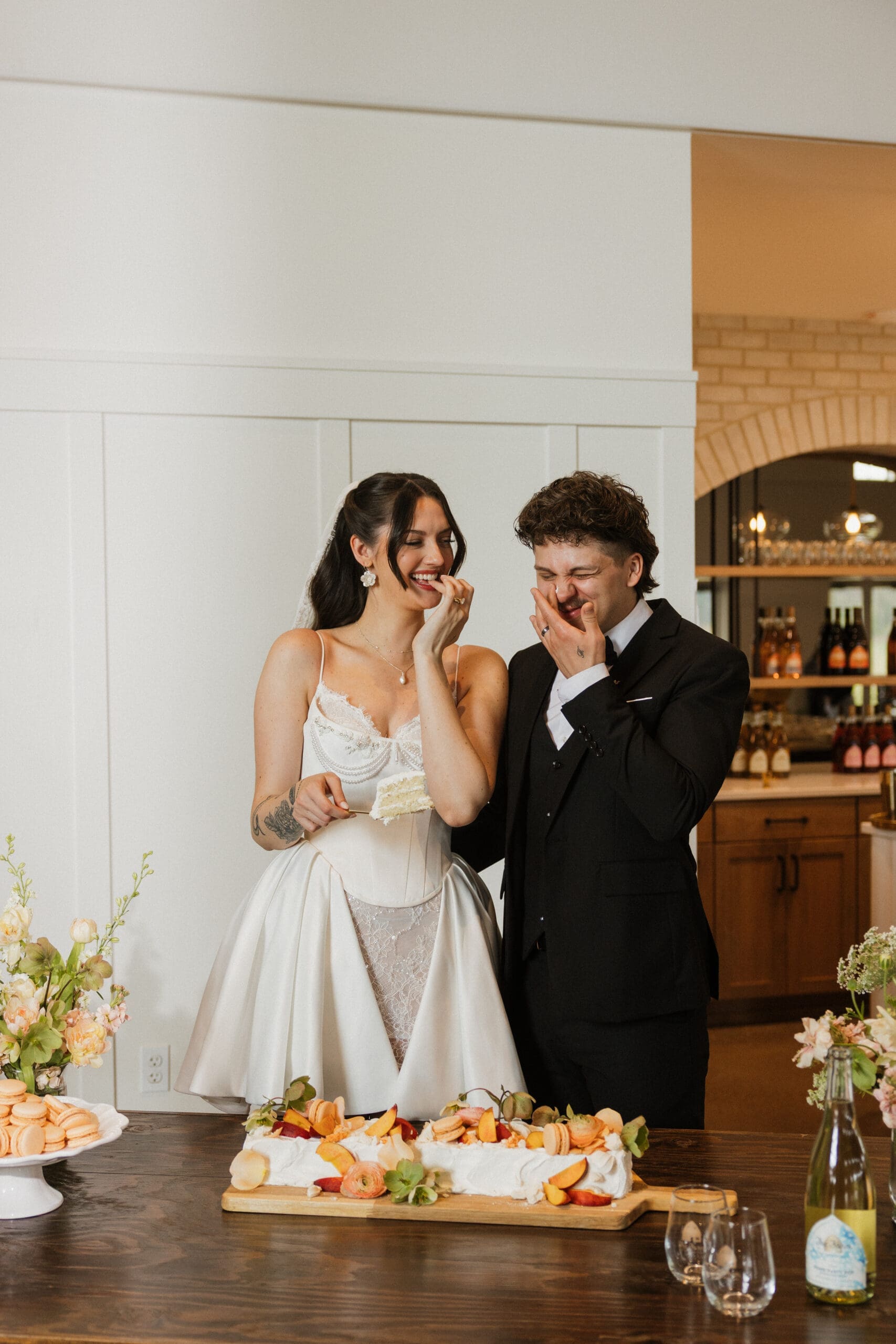
In my experience shooting weddings, the couples who feel relaxed and present on their wedding day almost always have one thing in common: a solid timeline. You don’t need to have your day dictated minute-by-minute, but building in buffers can help immensely — both with your stress levels and the flow of your day. I’m here to walk you through how to think about your wedding day timeline from a photographer’s perspective, so it can serve you instead of stressing you out.
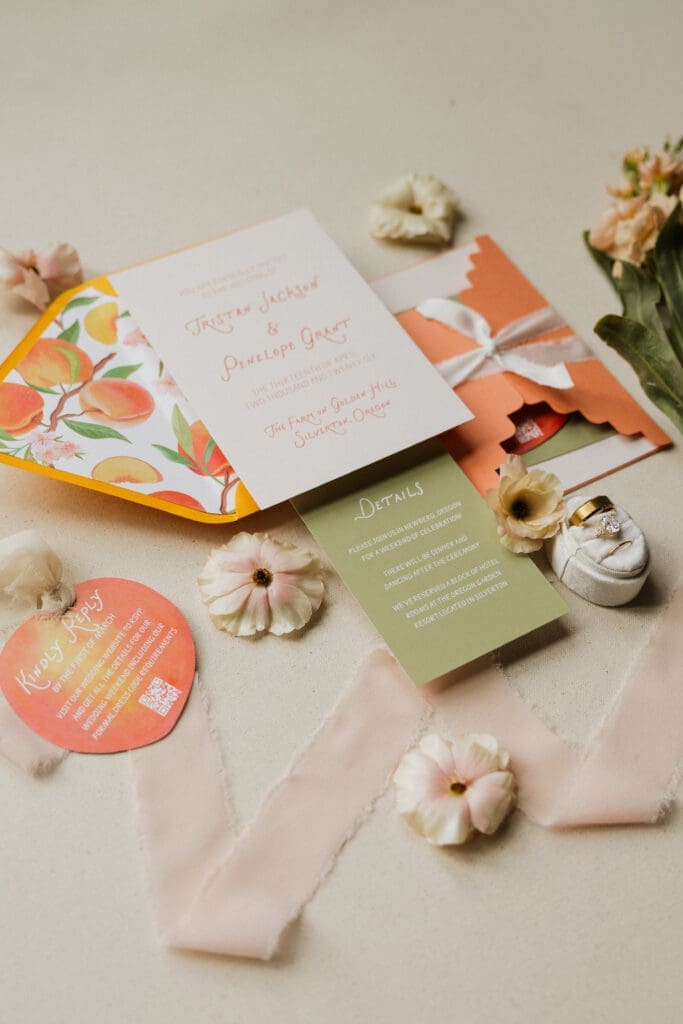
Getting ready: give it more time than you think you need
Hair and makeup almost always runs over. It’s not a problem, it’s just how it goes. When you have a full wedding party getting ready together, there are a lot of moving pieces: someone needs a touch-up, someone forgot their something, the florist shows up right in the middle of makeup. My general rule: add at least 30 minutes to whatever your hair and makeup team estimates. If they say 4 hours, plan for 4.5. I’ll typically arrive during the last 45 minutes to an hour of getting ready to capture details (your dress, shoes, rings, invitations), candid moments, and the finishing touches. If you want getting-ready photos with your wedding party, let me know ahead of time so we can plan for it.
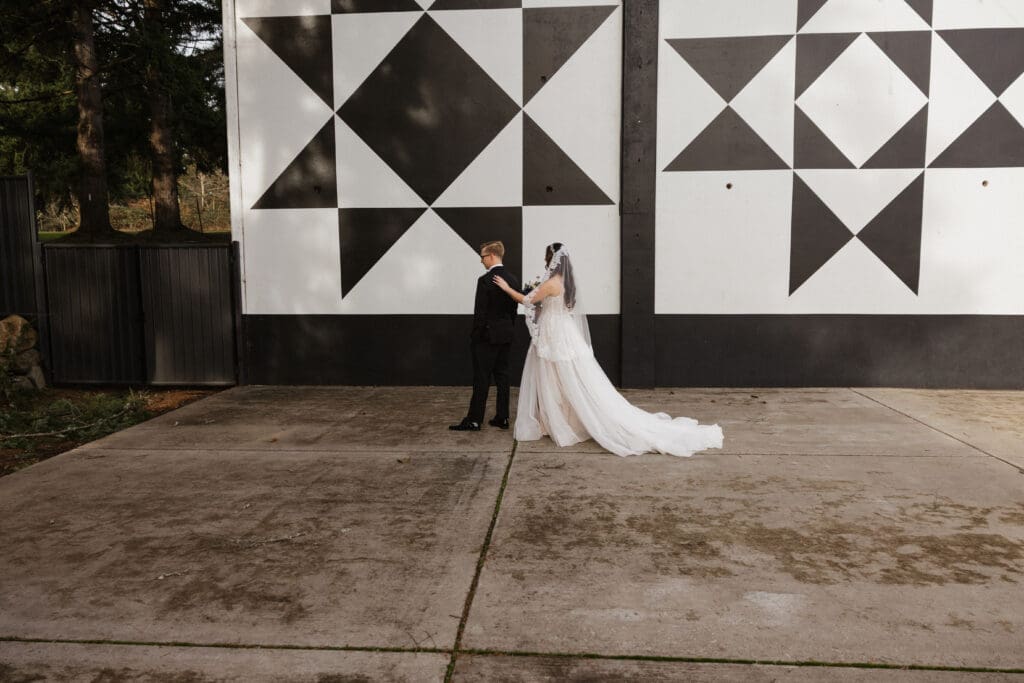
First look vs. no first look: how it affects your timeline
This is one of the most common questions I get, and honestly, there’s no wrong answer. Here’s how each affects your day: First look: You do portraits before the ceremony. This frees up a lot of time after: you can go straight to cocktail hour, be present with your guests, and still have time for sunset portraits without feeling like you’re missing your own party. No first look: You wait to see each other at the aisle, which is a really special moment. Just know that portraits happen after the ceremony, which means a longer photo block and potentially missing part of cocktail hour. Neither option is better, it just depends on what matters most to you. I’ll help you build a wedding day timeline that works for whichever you choose.
Buffer time: please, please build it in
Travel between locations is the most common place wedding day timelines fall apart. It takes longer to move a group of people than you’d expect, parking is a thing, and someone will inevitably need a last-minute bathroom break. My recommendation: add 15 to 20 minutes of buffer for every location transition. If you’re moving from the getting-ready suite to the ceremony venue, then to portraits, then to the reception, that’s three transitions. Plan accordingly. If everything runs on time, you end up with a few extra minutes to breathe and decompress before the next thing.
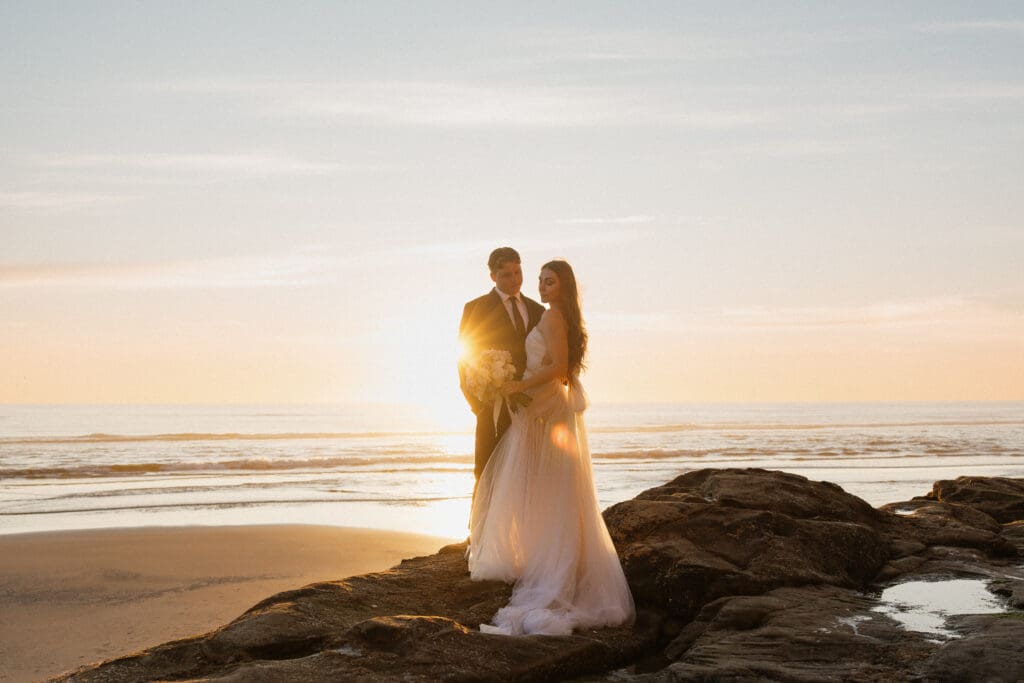
Sunset portraits: worth it every time
Even if we do a first look and full portrait session before the ceremony, I love to sneak away with couples for 10 to 15 minutes during the reception for golden hour photos. The light is completely different from earlier in the day, and these are often some of the most beautiful images from the whole wedding. I’ll keep an eye on the sunset time and give you a heads-up when we need to step out. It goes fast and your guests won’t even miss you.
Reception flow: what I need to know
Before your wedding, share your reception timeline with me so I know when to expect each moment. The key things I want to plan around:
- Grand entrance and first dance
- Parent dances and toasts
- Cake cutting (this one sneaks up on people)
- Your end time so I know when to wrap up
The more I know in advance, the more prepared I can be to capture each moment without missing anything. Want help building your wedding day timeline? Once you book with Rain & Reverie, we’ll go through your whole day together on a planning call and build a timeline that works.


